
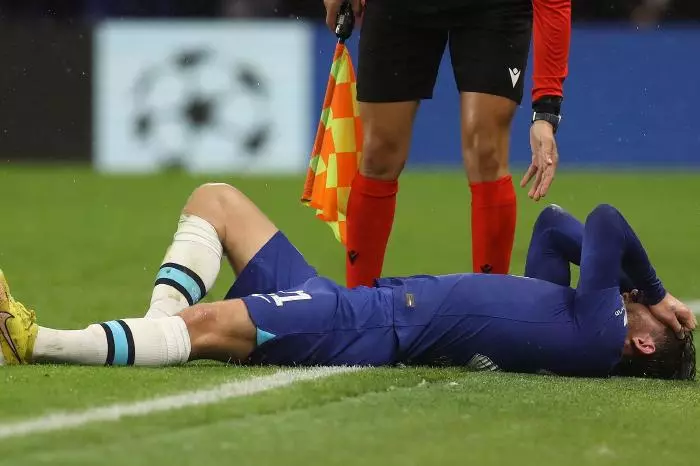
Whether it’s a star player missing or a squad regular down who is known for carrying the team morale in tough times, it all matters. That’s why anyone breaking down a match has to have up-to-date information to get the real lowdown on what might happen. Understanding how teams are affected by an injury isn’t simply useful; it helps make sure any kind of sport analysis, including betting-related discussions, stays grounded.
Why Injury Information Matters
A single injury can alter the competitive balance between two teams in the majority of major sports. The impact of a player's absence goes well beyond their brief absence. A team without its starting defence may find it hard to maintain structure, opening the door to its opponents and changing the overall flow of the gameplay. Or, a team that loses its star scorer may need to alter its offensive strategy, playing more cautiously to avoid any fast transitions in the game.
This explains why sports analysis carefully examines injury data. Analysts base their projections on every detail. Also, esports organisations' communication of competitive aspects is often mentioned in the larger betting community, which can provide a helpful point of comparison. For more information around online betting structures and online casinos in Europe, check here. Even though esports and traditional sports are very different, there are numerous similarities between them in terms of player availability and roster stability.
Evaluating Injury Severity: What It Really Means
The player's identity, the team's structure, and the severity of the injury all have a role in how much it matters. Teams typically need to reconsider on a deeper level when a key player is sidelined for weeks or months. This could involve changing their tactical setup or putting younger or less experienced players in positions they might not have otherwise covered. Short-term injuries are a little different. Although they can still cause disruptions, these changes are typically short-lived, and once the player returns, the club can frequently resume its regular structure.
The importance of a player within the team also influences the impact. Whether it is on the court or pitch, star players naturally draw more attention when missing. However, depth is crucial in sports like hockey, basketball, and soccer. Sometimes, a team is truly thrown off when a specialist is absent. Losing a goalkeeper, a defensive midfielder, or even a perimeter defender can cause tactical issues that are more difficult to resolve than losing the star player everyone looks to be the game-changer.
How Teams React When Injuries Hit
Injuries are part and parcel of professional sport and no squad can stay the same forever. Coaches may be forced to rethink their game plan entirely, from formation, speed, defence, to how they attack when their key player is on the sidelines. In order to cope without their top scorer, a team that usually relies on quick, fluid play may suddenly slow things down. On the flip side, a team with poor defensive depth may attack more aggressively to keep opponents on the back foot without exposing their own limitations and vulnerabilities.
Player positions are also affected by these changes. Secondary athletes may need to step up and take the place of their injured teammate. For some, this is an opportunity to seize, while others struggle to put in the extra effort needed. That’s why understanding injuries isn’t just about who’s missing, it’s about how the entire team might change as a result. In more physically demanding sports, deep squads usually handle these disruptions far better, while teams with thinner benches can end up dealing with lingering issues that affect them for much longer than expected.
Why Factual Injury Reporting Matters
Any responsible sports analysis must include accurate and verified injury data. To promote transparency, professional leagues frequently enforce mandatory injury reporting; yet, interpretations can differ even with official updates. Injury kinds and healing times can be clarified with the use of independent medical sources. For example, the Centres for Disease Control and Prevention (CDC) offers research based information on sports-related injuries that helps contextualize how and why players get sick, as well as common recovery expectations.
It’s important that although these health-focused tools can’t predict outcomes, they offer useful information on certain injuries, showing a blueprint of what the season could look like if they come back again.
In-Game Injuries Can Change Everything
While pre-match injuries are easier to analyse, in-game injuries can dramatically alter the flow of the affected game. When a team loses a crucial player in the middle of a game, they often have to swiftly regroup without having a suitable substitute. As coaches try to keep structure, this means tactical changes. For example, in order to get a stronger defence, a soccer club that loses a fullback early in a game could have to remove its wingers, but this comes at the expense of having to limit its attack. If a basketball team loses its main rebounder, it might not be able to convert second-chance opportunities, which gives the opposition the upper hand. In-game setbacks are usually more likely to occur for teams with fatigued players or packed match schedules.
Long-Term Injury, Season-Wide Effects
A team's identity can be changed by injuries that last for weeks or months. When multiple players are absent at the same time, the remaining players may become fatigued and forced to work harder, which raises the possibility of more injuries. Coaches may need to completely rethink their tactics if the injury cycle continues. It’s in these moments, you will notice the true brains behind a team, as they need to stay level-headed to get the best new strategy down quickly.
Long-term injuries may also have an impact on the psychological aspects of competition. Although difficult to measure, teams frequently react emotionally to losing leaders or high-impact performers because of overall morale. As players come back or leave again, their confidence might shift. If the team has big roster disruptions later in the season, these adjustments may have an impact on season-long performance indicators, making early-season data less predictive of future results when it comes to sports betting.
Putting It All Together
Injuries have a huge role in shaping sporting contests. They can shift team momentum, alter the team workload, and truly redefine what a team looks like over a season. Teams that start a season together can begin to notice cracks in their system. When you break down what kind of injury it is, the long-term recovery plan, the depth of your squad, and what tactics are needed, it then becomes easier to figure out how the game will go. The key to sports betting is to stick to information that is reliable, following what we actually know and not simple speculation. When injury analysis is at its best, it's rooted in the facts, not just guesswork. From there, you will have a clearer picture of what challenges, but more importantly, what opportunities a team faces.