
Anyone who has followed football long enough knows that major tournaments throw up surprises. Denmark and Greece winning the Euros in 1992 ans 2004 respectively? Iceland reaching the quarter-finals in 2016? These weren't flukes - they happened because tournament football operates by different rules than league competitions.
The money flowing into football nowadays comes from all sorts of places. You've got tech billionaires buying clubs, streaming services paying massive broadcast fees, and entire industries supporting the sport's growth. Arab casinos and entertainment complexes, for example, are part of broader economic ecosystems that pump investment into youth development and infrastructure projects across multiple continents.
Mental Battles: When Minds Matter More Than Feet
Tournament pressure does weird things to players. Take Brazil in 2014 - the most talented squad on paper, home advantage, everything going for them, and they looked on track until the wheels came offin the 7-1 capitulation to Germany in their semi-final.
Players are guided through visualisation drills, taught breathing methods to handle the pressure of penalties, and equipped with strategies to remain composed when facing hostile crowds. Teams that skip this mental preparation usually regret it when the stakes get high.
England have always been interesting from this perspective. They carry so much historical baggage into every tournament - decades of penalty shootout failures and "golden generation" disappointments. Compare that to Croatia in 2018, where nobody expected much, so they played with complete freedom and reached the final.
Tactical Chess Matches
Good coaches treat tournaments like extended chess games. They study opponents obsessively, looking for weaknesses that emerge under pressure. Spain's 2010 World Cup run showed this perfectly - del Bosque kept tweaking his setup based on what each opponent brought to the table.
Set pieces become absolutely crucial in knockout rounds. When you're getting maybe two clear chances per game, that corner kick routine you've practised a thousand times might be what sends you through. UEFA's data shows about one third of tournament goals come from dead-ball situations, which explains why teams spend hours perfecting these scenarios.
The analytics revolution has changed everything too. Coaches now have access to heat maps, pressing triggers, and defensive positioning data that wasn't available even five years ago. Some managers get so caught up in the numbers they forget to watch the actual players, but the smart ones use data to reinforce what their eyes are telling them.
Squad Building: Stars vs. Chemistry
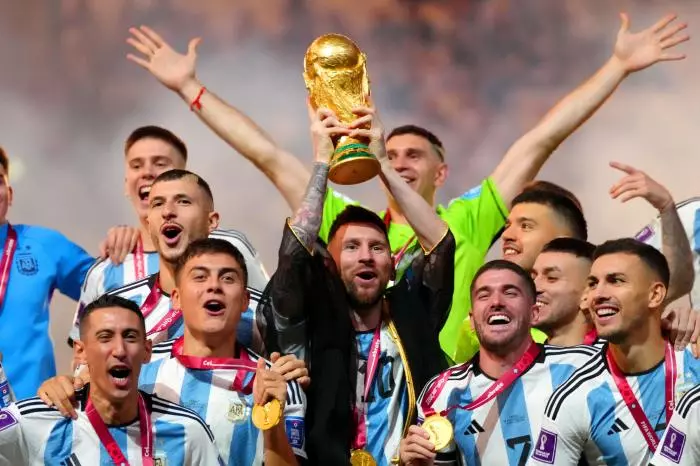
France got this balance right in 2018. They had goalkeeper Hugo Lloris organising the defence, Antoine Griezmann providing experience in attack, and Kylian Mbappé bringing that fearless energy that only comes with youth. Argentina struggled with this same equation for years - they had Messi, the best player on the planet, but couldn't figure out how to build a team around him until 2022.
Chemistry matters more than most people realise. Portugal's Euro 2016 victory came largely because that squad genuinely liked each other. You could see it in how they celebrated goals, how they supported teammates during difficult moments. Compare that to some star-studded teams that looked like 11 disparate individuals wearing the same shirt.
Physical Reality Check
The schedule in major tournaments is brutal. Three group games, then potentially four knockout matches, all played within a month. Players are running on fumes by the semifinals, which is why squad depth becomes so important.
Recovery has become almost scientific now. Teams travel with cryotherapy chambers, specialized nutritionists, and sleep specialists. The concept of marginal gains involves fine-tuning every detail, from when athletes eat to the temperature of their environment. It sounds excessive, but when matches are decided by fine margins, these details can matter.
External Forces and Luck
Home advantage isn't just about crowd support - though that helps. It's about sleeping in your own bed, eating familiar food, not dealing with jet lag.
Weather completely changes how matches are played. The 2014 FIFA World Cup in Brazil was a horror for some of the European sides during the group stage. Players never fully acclimatised to that sort of heat and humidity, and it reflected in their levels of performance, especially in the latter stages of matches.
Tough to be controlled, yet needed to be coped with is the referee factor. VAR has added another level of complexity as decisions that might have stood five years ago can now be overturned and at times change the whole trajectory of a tournament.
Success in major tournaments comes down to getting multiple things right simultaneously. Talent is the starting point, but mental strength, tactical flexibility, physical preparation, and yes, a bit of luck, all play their part in determining who lifts the trophy.